

2 Days in Hong Kong: The Perfect 48-Hour First-Timer Itinerary


Disclosure: This article contains affiliate links. See the Disclosure Policy.
So, you’ve got a quick stopover, a weekend break, or 48 hours in Hong Kong as part of a bigger Asia trip. Maybe it’s your first visit. Either way, two days is enough to have a genuinely memorable experience of the city—as long as you plan your time well.
The key is balance. You want to see Hong Kong’s major highlights without wasting half your trip zig-zagging across the city or trying to cram too much into each day.
This itinerary gives you one day of classic Hong Kong—Victoria Peak, the Star Ferry, Central and the skyline—followed by a second day focused on neighbourhoods, local food, markets and culture.
It’s still a full 48 hours, but the route is compact and realistic. You’ll see plenty without spending the whole trip rushing between attractions or standing in unnecessary queues.
I’ve been visiting Hong Kong for more than 45 years, lived here as a child, and still return regularly. I’ve put this itinerary together around the places and experiences I think give first-time visitors the best introduction to the city when time is limited.
By the end of the two days, you’ll have seen the famous Hong Kong, but you’ll also have experienced some of the everyday food, neighbourhoods and atmosphere that make the city feel like more than just a stopover.
Hong Kong Planning At A Glance
Don’t have a lot of time? Here’s a mini first-timers guide to Hong Kong.

Where to Stay:
– The Kowloon Hotel (Best location & MTR access)
– The Mira (Best facilities)
– The Royal Garden (Best quiet hotel)
Best First-time Experiences:
– Star Ferry
– Tsim Sha Tsui Promenade
– The Peak
– HK Foodie Tour
– Temple Street Night Market
Itinerary Overview
Here’s a quick summary of this 2 day Hong Kong itinerary.
DAY 2:
Sham Shui Po Food Tour
Explore Local Markets
Visit HK’s Best Museum OR
Hong Kong Dark Side Tour
Temple St Night Market
👉 Booking Experiences in Advance
With only 48 hours in Hong Kong, the last thing you want is to spend your trip standing in ticket queues or finding out the tour you wanted is fully booked.
For attraction tickets like the Peak Tram, Airport Express, and harbour cruises, I usually book through Klook. It’s widely used across Asia, the QR codes are easy to use, and I often find the prices are cheaper than booking directly.
For guided experiences, such as food tours and walking tours, I normally use Viator. In my experience, it has a better range of Hong Kong tours than GetYourGuide.
The experiences I’d recommend booking before your trip are:
- 🍜 Hong Kong Foodie Tour – Book at least a few days ahead (earlier if travelling during busy periods).
- 🚶Dark Side of Hong Kong Walking Tour – Book as far ahead as you can, especially if you’re travelling on a weekend. This is one of Hong Kong’s most popular tours.
- 🚍 Big Bus Hong Kong – Book ahead to secure your preferred ticket and avoid queuing on the day.
- 🚠 Peak Tram tickets – Pre-book to skip the ticket queue and make the most of your limited time.
- 🍽️ Temple Street Night Market Food Tour (if you choose this instead of exploring on your own) – Book a few days ahead as group sizes are limited.
- 🌃 Evening Harbour Cruise – Reserve ahead, especially for sunset or weekend departures.
Arriving in Hong Kong
Most visitors arrive at Hong Kong International Airport (HKG), which is located on Lantau Island around 30–40 minutes from the main tourist areas.
If it’s your first visit, I recommend taking the Airport Express. It’s fast, reliable and gets you to Kowloon or Hong Kong Station in less than 30 minutes.
I usually buy my Airport Express tickets online through Klook because they’re often slightly cheaper than buying them at the airport. You simply scan the QR code on your phone when leaving the station.

If you’re staying in Tsim Sha Tsui, which is the area I recommend for this itinerary, you’ve got two options once you reach Kowloon Station:
- Take a short taxi to your hotel. This is what I always do. It’s inexpensive and much easier after a long flight.
- Transfer to the MTR. Hong Kong’s metro system is excellent, but I think it’s easier to keep things simple on your first day and wait until you’ve settled in before navigating the network.
If you’re arriving late at night, travelling with a lot of luggage or simply don’t want to think after a long-haul flight, booking an airport transfer is also well worth considering.
Before you travel, I’d also recommend setting up your eSIM and ordering a Tourist Octopus Card for collection at the airport. Having both sorted before you arrive makes your first few hours in Hong Kong much easier.
Where to Stay in Hong Kong for Two Nights
Before getting into the itinerary, it’s worth thinking carefully about where to stay. With only two nights in Hong Kong, location matters even more because you don’t want to waste a large part of your trip travelling back and forth across the city.
Hong Kong is easy to get around by MTR, ferry and taxi, but hills, humidity, crowds and walking can still make short distances feel longer than expected. A hotel that looks like a bargain can become much less convenient if it adds extra travel time to every day.
For this 2-day itinerary, I strongly recommend staying in Tsim Sha Tsui.


It works particularly well because you’ll have:
- easy access from Kowloon Station and the Airport Express;
- direct access to the Star Ferry;
- excellent MTR connections;
- the Victoria Harbour waterfront within walking distance;
- plenty of restaurants nearby;
- quick access to both Kowloon and Hong Kong Island.
It’s also a very easy area for first-time visitors to understand. It’s busy, safe, well connected and puts you close to several of the sights included in this itinerary.
I’ve stayed in hotels across many parts of Hong Kong, but in recent years I keep returning to Tsim Sha Tsui. I find that staying here makes a short trip much easier and less tiring, especially when I want to spend as much time as possible actually enjoying the city.
I’d also choose a hotel within a few minutes’ walk of an MTR station. At the end of a full day, the difference between a five-minute walk and a twenty-minute walk back to your hotel feels much bigger than you might expect.


These are three Tsim Sha Tsui hotels I think work especially well for first-time visitors, and I’ve stayed at all three:
- The Mira Hong Kong — a modern hotel with one of my favourite hotel spas in the city and excellent room service
- The Kowloon Hotel — excellent location directly beside an MTR station
- The Royal Garden — a slightly quieter location with an excellent rooftop pool
My hotel reviews also include simple directions for getting to each property from the airport.
➡️ You can also read my full guide to Where to Stay in Hong Kong for First-Time Visitors for a more detailed comparison of the best areas and hotels.
Getting Around Hong Kong

Hong Kong has one of the easiest public transport systems I’ve ever used. For this itinerary, you’ll mainly be using the MTR, the Star Ferry, and the occasional taxi.
I recommend buying a Tourist Octopus Card before you arrive. It works on the MTR, buses, trams and ferries, so you won’t need to buy individual tickets throughout your trip.
For navigation, I simply use Google Maps. It’s very accurate in Hong Kong and makes planning routes between attractions straightforward.
👉 If you’d like a more detailed guide, I’ve also written a step-by-step article on how to get around Hong Kong.
The Easiest Option for Sightseeing: Take the Hop-On Hop-Off Big Bus

For this 2-day itinerary, you have two good options for your first day.
If you want an easy introduction to Hong Kong and would rather not think too much about routes, transfers or directions, the hop-on hop-off Big Bus is the simplest choice. It connects many of the main sights, includes commentary, and lets you decide where you want to get off and spend more time.
You could use it for much of Day 1, particularly for getting between Central, Victoria Peak and other major sights on Hong Kong Island, then explore more independently on Day 2.
If you prefer a more local experience, follow the itinerary below. It uses the Star Ferry, No. 15 public bus, Peak Tram, tram and MTR, and gives you more control over how long you spend in each place.
The Big Bus is the easier option. The independent route is the one I’d choose if you’re comfortable navigating Hong Kong yourself and want the transport to feel like part of the experience.
Day 1: Experience Hong Kong’s Classic Highlights
Today is all about Hong Kong’s iconic sights. You’ll experience the city’s famous skyline, cross Victoria Harbour on the Star Ferry, visit Victoria Peak and explore Central, but in a way that leaves room to enjoy each place instead of simply ticking it off your list.
Morning: Tsim Sha Tsui Promenade, Star Ferry & The Peak
Tsim Sha Tsui Promenade
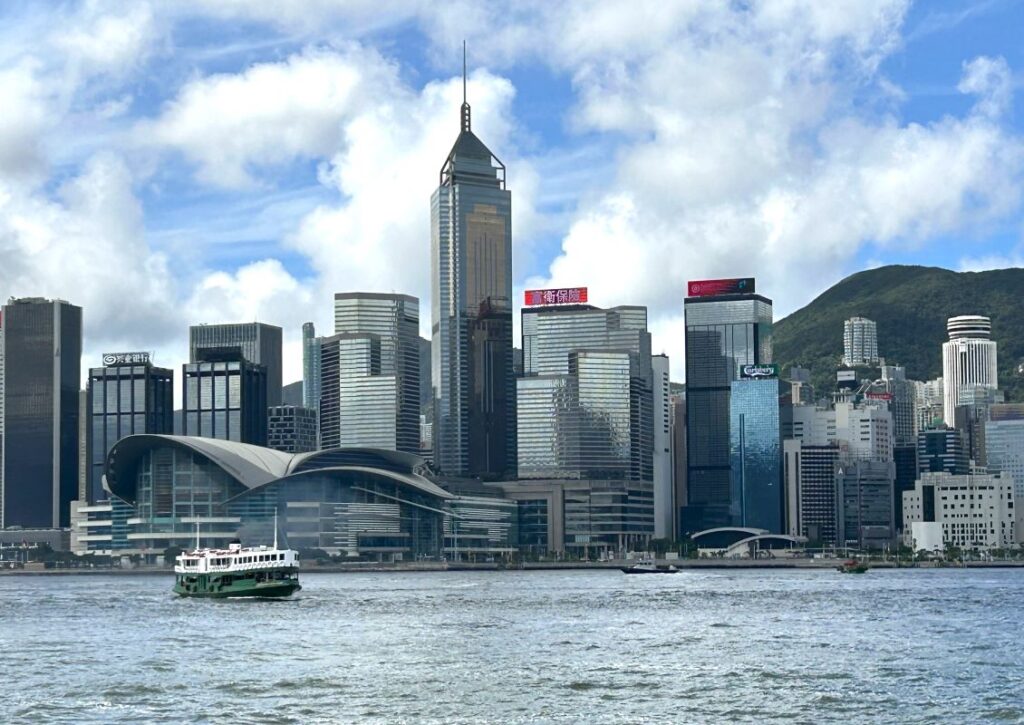
Welcome to Hong Kong! This itinerary assumes you’ve either arrived the night before or early this morning, giving you two full days to explore.
After dropping off your bags at your hotel, start your morning the way many locals do—with breakfast from one of the neighbourhood bakeries around Tsim Sha Tsui.
If you’re staying at The Mira Hong Kong (my favourite hotel in Tsim Sha Tsui) or The Kowloon Hotel, you’ll find plenty of small bakeries tucked away in the surrounding streets and side lanes.
Most have serving windows facing the footpath. Simply point at what you’d like and pay. Cash is easiest, although many also accept Octopus cards.

I’d recommend trying a pineapple bun or sausage bun. These neighbourhood bakeries are part of everyday life in Hong Kong and one of the things I still enjoy most every time I visit.
With breakfast in hand, wander down to the Tsim Sha Tsui Promenade.


If this is your first visit, this is often the moment Hong Kong really takes your breath away. Looking across Victoria Harbour towards the skyline is something I’ll never get tired of. Even after decades of visiting Hong Kong, I still make time to come here on almost every trip.
As you stroll the waterfront, you’ll pass the Avenue of Stars, K11 Musea, the Hong Kong Museum of Art, and the old railway clock tower.
Hong Kong Star Ferry
Next up: hop on the Hong Kong Star Ferry, still one of the cheapest (and best) ways to cross Victoria Harbour.
If it’s your first time in Hong Kong, this ride’s a must. No need to check a schedule, just show up and go. Ferries run every few minutes.

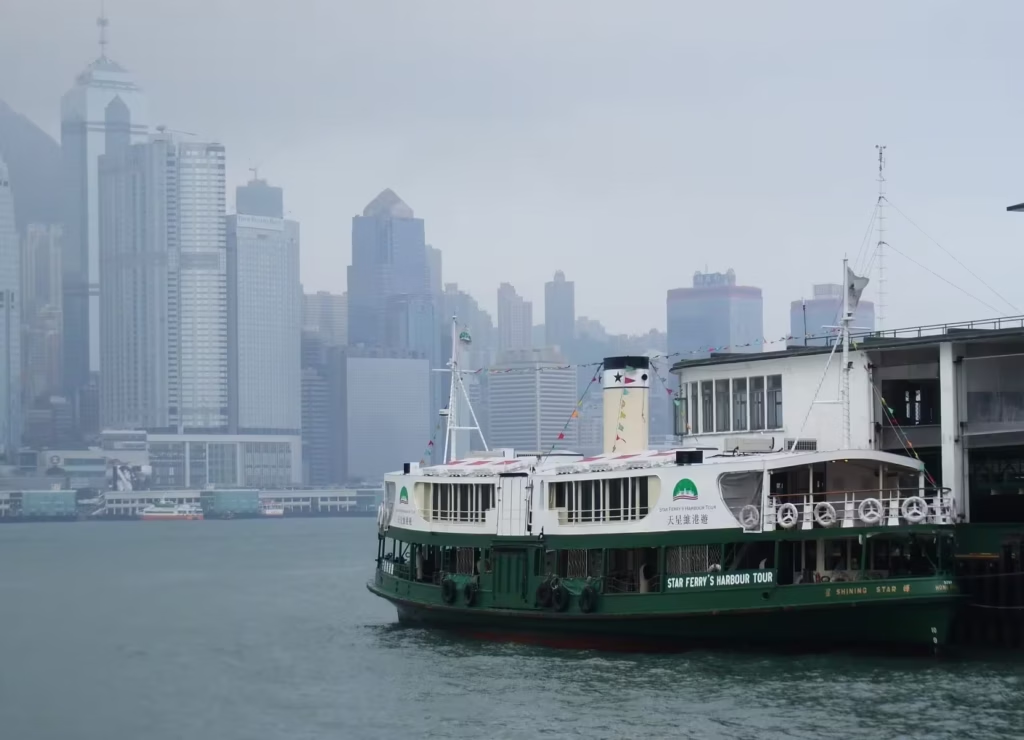
It’s a short trip (about 10 minutes), but the views are fantastic. Head to the upper deck if you can, and keep your camera handy.
The ferry terminal’s right at the end of the Tsim Sha Tsui Promenade so it’s easy to find.
Victoria Peak
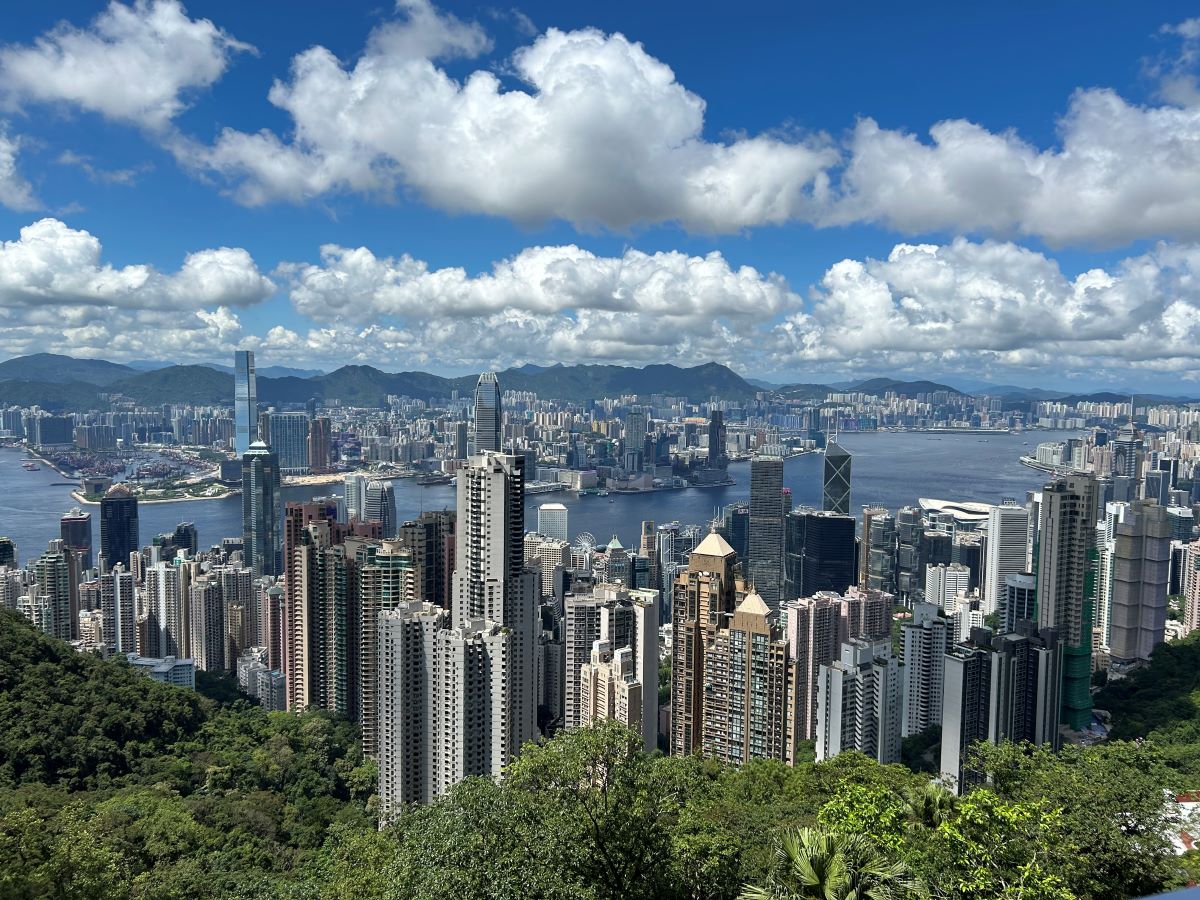
If there’s one place you have to see on a first trip to Hong Kong, it’s Victoria Peak.
Once you arrive in Central on the Star Ferry, take the No. 15 double-decker bus up rather than joining the queue for the Peak Tram. The bus stop is conveniently located near the pier, so the route flows naturally, and the journey is part of the experience.
👉Read my guide: How to get to Victoria Peak (with pictures).


As the bus climbs through Central, Admiralty and the Mid-Levels, you’ll pass skyscrapers, dense apartment blocks and pockets of surprisingly lush greenery. It’s cheaper than the tram, far more scenic, and gives you a completely different view of the city.
The ride takes about 30-45 minutes depending on traffic and takes you right to the top.
Once you get there start with the free rooftop deck at The Peak Galleria, then walk over to Lion’s Pavilion for another excellent view across Victoria Harbour. Both are good options if you want skyline photos without paying for the Sky Terrace.


There is also a 90-minute Peak Circle Walk, but with only 48 hours in Hong Kong, I wouldn’t make it a priority. You’ll get excellent views from the free lookouts without using up such a large part of the day.
Allow around two to three hours for the full visit, including the bus journey, time at the viewpoints and lunch. If your timing works, stop at The Peak Lookout. It has long been a family favourite of mine, and sitting down for lunch here is a much better use of your limited time than trying to squeeze in another attraction.
When you’re ready to leave, take the historic Peak Tram back down to Central. That way, you still get the classic tram experience while avoiding the much longer uphill queue.
👉 If you’re only visiting Hong Kong for a layover or a single day, I’ve also written a separate 1-day Hong Kong itinerary that keeps the route tighter, with Victoria Peak still firmly at the centre of the day.
Afternoon: Explore Central & Ride the Historic Tram

Central Self-guided Walking Tour
With the major sightseeing done, spend the rest of the afternoon discovering Central.
Central is one of the city’s most interesting neighbourhoods, and it’s well worth wandering for a while.
This is where Hong Kong’s old and new sit side by side. Glass skyscrapers stand beside century-old temples, luxury boutiques share streets with traditional markets, and quiet laneways disappear between some of the busiest roads in the city.
Rather than trying to see everything, simply wander.


Browse The Lanes, climb the historic stone steps of Pottinger Street, explore Hollywood Road, step inside Man Mo Temple, and have a look through the curios and antiques at Cat Street.
👉 If you’d prefer a more structured walk, I’ve also put together a self-guided walking tour of Central that links together all of these highlights.
Public Tram
Before heading back to your hotel, don’t miss one of my favourite Hong Kong experiences, a ride on a historic public tram.
I still do this almost every time I visit.


Catch a tram towards Causeway Bay, grab a seat upstairs if you can, and simply enjoy watching the city roll past your window. You’ll pass apartment blocks, neon shop signs, local businesses, markets and busy intersections, giving you a glimpse of everyday Hong Kong life.
If you’ve never used them before, my guide to how to use Hong Kong trams explains the fares, routes and boarding process step-by-step.
If you’re interested in a more leisurely sightseeing experience, the TramOramic Tour is another excellent option. It follows a similar route aboard a beautifully restored vintage tram with commentary along the way.
Evening: Experience Hong Kong After Dark

After a full day exploring, head back to your hotel to freshen up before dinner.
One of the things I love about Hong Kong is how the atmosphere changes once the sun goes down. The office workers head home, the streets fill with people meeting friends for dinner, the neon signs begin to glow, and neighbourhoods like Tsim Sha Tsui really come alive.
This is one of the reasons I recommend staying in Tsim Sha Tsui. You don’t need to plan your evening too carefully. Simply step outside and you’ll find yourself surrounded by restaurants, dessert shops, bars and bustling streets full of energy.
Hau Fook Street is one of my favourite places for inexpensive meals, with everything from Cantonese food to Japanese, Korean and Thai restaurants.
If you want a special dinner, Aqua is a nice spot with spectacular harbour views, while MOA Dining, inside the Hong Kong Museum of Art, is another memorable place to enjoy dinner overlooking Victoria Harbour. Keep in mind, both are a bit more of a splurge than your average meal.


After dinner, I’d finish your first day in one of two ways.
If it’s your first visit to Hong Kong, watching the Symphony of Lights from the Tsim Sha Tsui Promenade is a classic experience. Just be aware that there have been reports the current show may eventually be replaced by a new light experience, so it’s worth checking its status before planning your evening around it.
If you’d like something a little more memorable, book an evening harbour cruise and enjoy Hong Kong’s skyline from the water.
Day 2: Local Neighbourhoods, Culture & Night Markets
Morning: Experience the Real Hong Kong in Sham Shui Po

Yesterday was all about Hong Kong’s iconic sights. Today, I’d encourage you to experience a completely different side of the city.
Sham Shui Po is one of my favourite neighbourhoods in Hong Kong. It’s busy, colourful and unapologetically local. Instead of designer shopping malls and gleaming skyscrapers, you’ll find bustling wet markets, family-run bakeries, tiny cha chaan tengs, hardware stores, street stalls and some of the best local food in the city.
I think there are two great ways to experience it.
Option 1 (My Recommendation): Join a Sham Shui Po Food Tour

If you enjoy learning about local food and culture, this is one of the best tours I’ve done in Hong Kong.
I booked and paid for the Hong Kong Foodie Tour in Sham Shui Po on my last trip, and it ended up being one of the highlights of my visit.
Even though I’ve been visiting Hong Kong for decades, I still learnt a huge amount—particularly about Hong Kong food culture and all the little local places I’d either walked past for years or never felt confident trying on my own.
One thing I especially liked was the 9.00 am start. Most food tours begin much later in the day, making it difficult to fit other sightseeing around them. This one works brilliantly for a short trip because you experience a completely different side of Hong Kong first thing in the morning and still have most of the afternoon and evening free.

Hong Kong Foodie Tour (Sham Shui Po)
⭐ Best for authentic local food experiences
⭐ Licensed English-speaking guide
⭐ Great for first-time visitors
⭐ Includes multiple tastings over 3 hours
The guide meets you inside Sham Shui Po MTR Station, and the instructions were very easy to follow.
Over the next three hours you’ll wander through one of Hong Kong’s most authentic neighbourhoods, stopping at traditional bakeries, cha chaan tengs, noodle shops and long-established family businesses that many visitors would never discover on their own.
One of the things I appreciated most was that nothing felt staged or touristy. These were places local people actually eat.


Some of the foods I tried included:
- Pineapple buns
- Hong Kong milk tea
- Rice noodle rolls (cheung fun)
- Dumplings
- Tofu desserts
- Bamboo noodles
One of the biggest surprises for me was finally understanding how a traditional cha chaan teng works. I’d walked past these classic Hong Kong cafés for years without ever really knowing what to order. Having someone explain the menus, customs and dishes made me much more confident about eating in them afterwards.
I’d recommend booking this tour in advance because group sizes are small and it often sells out. Read my Hong Kong Foodie Tour Review if you’re still undecided.
Option 2: Explore Sham Shui Po Yourself
If you’d rather explore independently, I’d still recommend spending your morning in Sham Shui Po.
Start with a traditional dim sum breakfast, then simply wander the neighbourhood at your own pace.
👉 If you want to know what to order, check out What to Eat in Hong Kong: A First-Timer’s Guide.
One of the highlights is the indoor Sham Shui Po Wet Market, where you’ll see locals shopping for fresh seafood, meat, fruit and vegetables. It’s a fascinating glimpse into everyday Hong Kong life and feels worlds away from the city’s tourist attractions.


Afterwards, spend some time exploring the surrounding streets.
A few places worth checking out include:
- Apliu Street for second-hand electronics, cameras and quirky gadgets.
- Fuk Wing Street (Toy Street) for collectibles, toys and souvenirs.
- Fuk Wa Street Market for inexpensive clothing and everyday local shopping.
One of the things I enjoy most about Sham Shui Po is simply wandering without a plan. Around almost every corner you’ll discover another bakery, noodle shop or tiny family-run business that’s been serving locals for decades.
👉 If you want to explore more markets, read Hong Kong’s best markets for first-timers.
Afternoon: Discover Hong Kong’s Museums
After spending the morning exploring Sham Shui Po, I’d change gears for the afternoon and visit one of Hong Kong’s excellent museums.
Hong Kong has a surprisingly good museum scene, and after the bustle of the markets and busy streets, it’s a nice way to experience another side of the city without feeling like you’re simply ticking off more attractions.
If you’re the type of person who likes to move fairly quickly through museums (like I do), you could comfortably visit two. Otherwise, I’d just pick the one that interests you most and take your time.
My Top Pick: Hong Kong Museum of Art
For most first-time visitors, I’d recommend starting with the Hong Kong Museum of Art on the Tsim Sha Tsui waterfront.
Don’t expect room after room of traditional paintings. Every time I’ve visited there’s been a really interesting mix of historic and contemporary exhibitions, many of them exploring Hong Kong and Cantonese culture in engaging ways.


One of the things I particularly like is the building itself. The upper floors have beautiful views across Victoria Harbour, and it’s a pleasant place to spend an hour or so before heading out for the evening.
Allow around 60–90 minutes.
If You’re Interested in Hong Kong’s Story: Museum of History

If you’re curious about Hong Kong’s history and how the city has evolved, I’d choose the Hong Kong Museum of History instead.
I went back after its redevelopment and found it genuinely fascinating. The newer exhibitions place much more emphasis on Hong Kong’s recent political history, including reunification with China, the 2019 protests and the National Security Law.


It’s not necessarily the museum I’d recommend to everyone, but if you enjoy understanding the places you visit, it’s well worth your time.
It’s located in Tsim Sha Tsui East up the top of an overpass. The easiest way to get there is to head to the Royal Garden Hotel and follow google maps from there.
If You Prefer Contemporary Art: M+

If modern art and design are more your thing, head across to M+ in West Kowloon.
I honestly didn’t expect to enjoy it as much as I did. The exhibitions cover contemporary art, architecture, design and visual culture from across Asia, and there was something surprising or thought-provoking in almost every gallery.

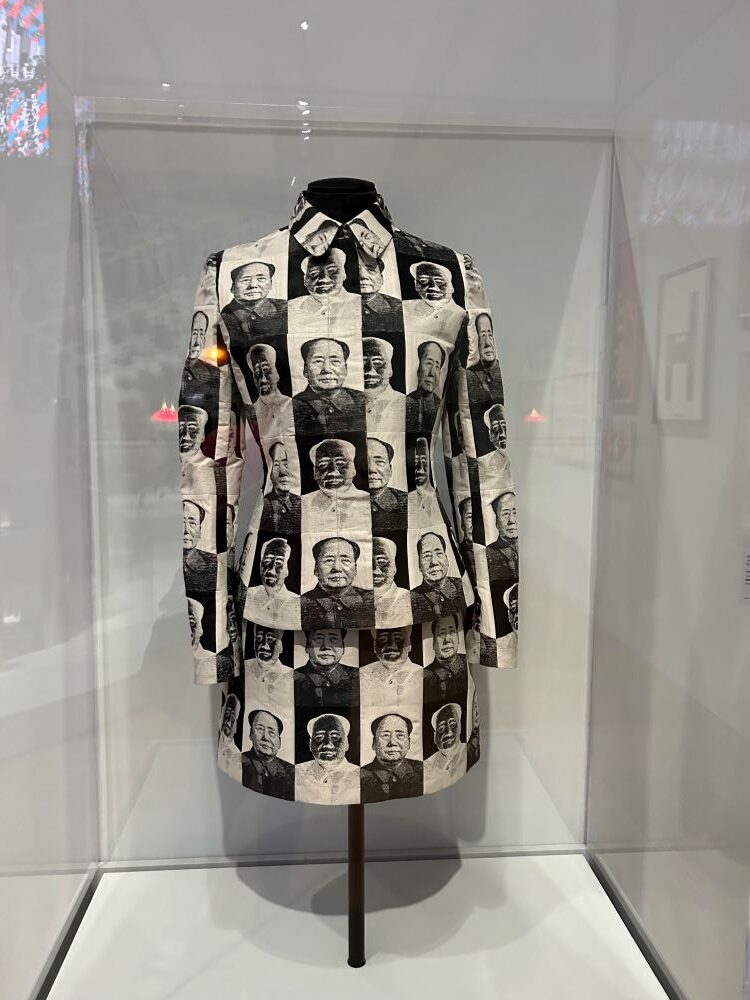
I’d allow at least 90 minutes, although you could easily spend much longer if contemporary art interests you.
It’s about a 20-minute walk from the Tsim Sha Tsui waterfront, but after a morning on your feet I’d probably just catch a taxi. They’re inexpensive in Hong Kong and will get you there in around ten minutes.
If none of these take your fancy, read my best Hong Kong museums guide for more options.
Alternative Afternoon: The Dark Side of Hong Kong Tour

If you’re more interested in understanding Hong Kong than visiting another museum, I’d seriously consider booking the Dark Side of Hong Kong Walking Tour instead.
I’d been curious about this tour for years, so on my last trip my travelling companion and I finally booked it—and it ended up being one of the most memorable experiences of the visit.
This isn’t a typical sightseeing tour. Instead of taking you to famous landmarks, it explores Hong Kong’s housing crisis and the reality of subdivided flats, cage homes and rooftop housing. The tour also supports SoCO, a local charity that works with disadvantaged families in Sham Shui Po.


Starting at 3.00 pm, the tour fits neatly into this itinerary after you’ve spent the morning exploring the neighbourhood.
As we walked from Prince Edward towards Sham Shui Po, our guide explained how Hong Kong’s housing shortage has resulted in thousands of people living in incredibly small spaces. We also learnt about some of the city’s lesser-known social issues, including triads and prostitution, giving us a very different perspective on Hong Kong from the one most tourists experience.
The standout moment for me was visiting an actual subdivided flat above a working laundromat. Seeing just how small the space was—and knowing entire families live in homes like it—was confronting, but also incredibly thought-provoking.
I found the Dark Side of Hong Kong tour fascinating, particularly because I’m interested in sociology and social justice. If you enjoy learning about the places you visit, not just seeing the sights, I’d highly recommend it.
Evening: Temple Street Night Market

It’s your last evening in Hong Kong, so I’d spend it soaking up one last taste of the city’s incredible atmosphere.
If you’ve been out all day, head back to your hotel to freshen up before dinner. Then make your way over to Temple Street Night Market, one of Hong Kong’s best places to experience the city after dark.
The last time I visited, I was with my son. We started by sampling a few snacks from the street stalls before settling into one of the open-air restaurants for dinner. Afterwards, we wandered through the market, browsing the souvenir stalls, watching the crowds and simply enjoying the atmosphere.


Temple Street has really come back to life in recent years and it’s become one of my favourite places to spend an evening in Hong Kong. There’s a real buzz about the place. Neon signs glow overhead, food stalls spill out onto the pavement, and locals and visitors mingle as they browse the market or settle in for dinner.
Don’t expect a high-end shopping experience. Around half the market sells souvenirs, T-shirts, bags and other tourist items, but that’s not really why you come. Temple Street is about the atmosphere, the food and the experience of spending an evening in one of Hong Kong’s most famous neighbourhoods.
After two days exploring Hong Kong’s famous sights, neighbourhoods and food, I can’t think of a better way to finish your trip than spending your last evening surrounded by the sights, sounds and flavours that make the city so memorable.
Want to Experience Temple Street with a Local?
If you’d rather not navigate the food stalls on your own, I’d seriously consider the Temple Street Night Market Food Tour.
It’s run by the same company as the Sham Shui Po food tour I recommended earlier in this itinerary and includes a guided walk through Temple Street and nearby Mong Kok, plenty of street food to try, and a sit-down meal at a traditional dai pai dong-style restaurant.

I think it’s an especially good option if you’re travelling solo or if you’d like someone to explain the dishes and the stories behind them, rather than simply choosing food at random.
Continue Planning Your Hong Kong Trip
Before you go, these guides will help make your trip much easier:
- Where to Stay in Hong Kong for First-Time Visitors
- Best Time to Visit Hong Kong
- How Long To Spend in Hong Kong
- 32 Essential Hong Kong Travel Tips
- Things To Do in Hong Kong
- Hong Kong Foodie Tour Review
- Is Hong Kong Worth Visiting?
✈️Travelling Soon?
These are the travel tools and booking sites I personally use and recommend most often when planning a trip to Hong Kong:
Travel Insurance: I use Visitor Coverage to compare travel insurance policies side-by-side before I book.
Flights: I search flights using Expedia to compare prices and routes.
Hotels: I book most of my Hong Kong hotels through Booking.com because the free cancellation policies are often really flexible.
eSIMs: I use Airalo for mobile data in Hong Kong and China. It’s easy to set up before you land.
Airport Express Tickets: I usually book Airport Express tickets through Klook because the QR-code entry makes arrival much smoother after a long flight.
