Where to Stay in Hong Kong: Advice From a Frequent Visitor.


If it’s your first time in Hong Kong, the best places to stay in Hong Kong are Tsim Sha Tsui or Central. Both are safe, walkable areas with plenty to see nearby, and excellent access to Hong Kong’s easy to use MTR (Metro) system.
You don’t need to obsess over location in Hong Kong, but choosing the right neighbourhood will make your trip more enjoyable and far less overwhelming.
After 45 years of living in, visiting, and staying in nearly every corner of Hong Kong, here’s what I’ve learned: getting around the city is easy. The transport system is fast, clean, and incredibly well connected, so no matter where you stay, you won’t feel stuck or stranded.
That said, some areas just work better for first-time visitors. You want a neighbourhood that’s safe, central, and easy to navigate, as well as a hotel that’s comfortable (maybe even a little luxe) but still feels like good value.
I’ll run you through my go-to areas for first-time travellers — like Tsim Sha Tsui (pronounced “chim sah chewy”) and Central — and share the specific hotels I recommend in each. Places that are first-timer friendly and close to the action.
Disclosure: This article contains affiliate links. See the Disclosure Policy.
Kowloon or Hong Kong Island?
One of the first questions I get asked when I tell people I lived in Hong Kong is whether it’s better to stay on the Kowloon side or Hong Kong Island.
I usually recommend Tsim Sha Tsui in Kowloon for a first visit. It’s got the harbour views, the buzz, and those instantly recognisable skyline moments that people associate with Hong Kong. It’s compact, walkable, and very easy to navigate when you’re new.
That said, Hong Kong Island is a fantastic alternative — especially if you’re looking for somewhere with lots of character, less crowds, and more boutique-style accommodation.
Hong Kong Island is well connected by the MTR, ferries, and trams, and includes neighbourhoods like Central, Sheung Wan, Wan Chai, and Causeway Bay. Each area has its own personality, but they’re all safe, easy to get around, and well suited to exploring on foot. It’s very easy to step outside, get your bearings, and start wandering.
So what’s the real difference? Kowloon is classic harbour-front Hong Kong, while Hong Kong Island leans more neighbourhood-based, with distinct areas that each have their own vibe. Either way, you can move between both sides quickly, so don’t overthink it.
Tsim Sha Tsui – Perfect for First-Time Visitors

If it’s your first proper visit to Hong Kong, my top recommendation is to stay in Tsim Sha Tsui on the Kowloon side, right across the harbour from Hong Kong Island.
It’s the easiest place to base yourself when you’re new to the city: close to the sights, simple to navigate, and unmistakably Hong Kong.
You’re right where so much of the city’s magic comes together:
- The Tsim Sha Tsui waterfront, ideal for a jetlag stroll or watching the nightly Symphony of Lights
- The Star Ferry to Central, just a five-minute walk away and running constantly
- Cultural highlights like the Hong Kong Museum of Art, Kowloon Park, and the Peninsula Hotel (high tea, anyone?)
- Great food, excellent shopping, including Harbour City right on the water, plus markets and leafy park pockets scattered throughout the area.
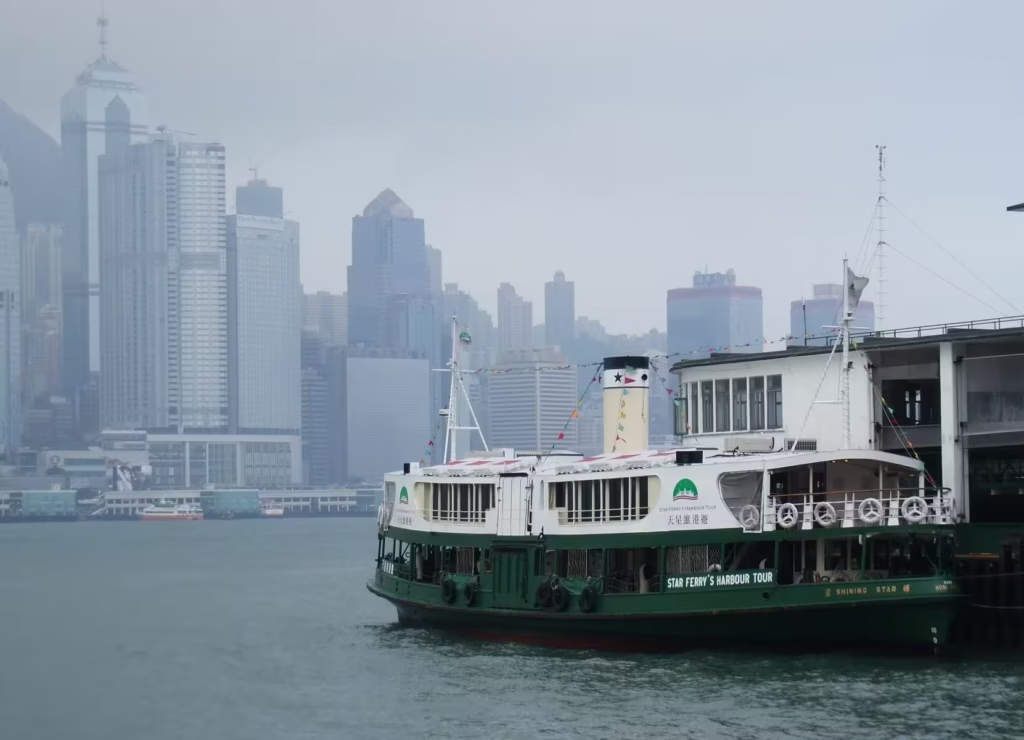
And then there’s the view.
Tsim Sha Tsui sits directly on Victoria Harbour, which means that dazzling skyline view is part of everyday life here. You’ll catch glimpses of it walking to breakfast or heading back to your hotel at night. It’ll stop you in your tracks every single time.
Yes, Tsim Sha Tsui is busy. Hong Kong busy. Neon lights, crowds, constant movement. But that’s part of the charm.
For first-timers, it works exceptionally well. It’s walkable, well-lit, and full of life without feeling sketchy. You’re never far from a 7-Eleven, an MTR entrance, or a good bowl of noodles. You can wander around on your own — even late — and it feels completely fine.
Accommodation here does cost a little more than other Kowloon areas like Mong Kok or Yau Ma Tei, but the jump isn’t huge. And for a first trip, it’s worth it. You’re close to everything, transport is effortless, and it’s a much easier base while you’re finding your feet.
That said, Tsim Sha Tsui can feel intense.
If you love stepping straight into the thick of things, you’ll thrive here. But if you want a slightly calmer experience without sacrificing location, look for a hotel toward the eastern end of the Tsim Sha Tsui Promenade, a few blocks away from Nathan Road (often referred to as Tsim Sha Tsui East).
This area (particularly around Mody Road) still keeps you right in the heart of the city, just with a little less chaos and a better night’s sleep.
If you come back to Hong Kong (and I suspect you will), then yes — Central or Sheung Wan might be next. But for your first visit, Tsim Sha Tsui keeps things simple: iconic views, easy connections, plenty to do, and no stress.
Pros and Cons of Staying in Tsim Sha Tsui
✅ Pros:
- That iconic skyline view.
- Easy access to public transport (MTR, Star Ferry, buses).
- Tons of restaurants, shops, and cultural sites nearby.
- It’s busy. Always. But that means it’s safe: there are people around at all hours.
❌ Cons
- Some streets can feel relentless, especially if you’re not used to crowds.
- Choose a hotel with good sound-proofing because the traffic noise is constant.
- Hotels can be pricier than usual.
Read my full Tsim Sha Tsui guide for things to do, where to eat, and how to plan your time.
🚇 Pro Tip: If you’re on the fence about splurging on a harbour view, my advice is to go for it. Especially if it’s your first time in Hong Kong. There’s nothing like pulling back the curtains in the morning and taking in that iconic skyline over the water.
Top Hotel Picks for Tsim Sha Tsui
These are my go-to picks in Tsim Sha Tsui. If you want a deeper comparison, room photos, and booking tips, I’ve linked my full reviews below.
👉 If you’ve already decided on Tsim Sha Tsui and want help choosing between a few reliable mid-range hotels, I’ve put together a short, practical shortlist here → My 3 go-to mid-range hotels in Tsim Sha Tsui.
Best View: The Regent Hong Kong This is my ultimate Hong Kong fantasy hotel. Yes, this waterfront luxury hotel will cost you a small fortune but the harbour view is unbeatable. If you’re a woman of means, then why not?
Best Pamper Hotel: The Mira I recently stayed here and loved it. It’s a little on the pricier side, but worth it for the immaculate rooms, spa, and indoor pool. The location is fantastic, right in the heart of Tsim Sha Tsui, with the MTR nearby. The perfect place to unwind after a long day of sightseeing. 👉 Read my full Mira Hotel review. 👉 Check The Mira availability
Most Convenient: The Kowloon Hotel I stayed here for the first time recently and was amazed by the great location right by the waterfront. It’s not as luxurious as The Mira, but it’s super convenient, and located very close to the MTR station. The rooms are plain but comfortable. Reasonably priced. 👉 Read my full Kowloon Hotel review. 👉 Check The Kowloon Hotel availability
Most Quiet: The Royal Garden Located in a quiet part of Tsim Sha Tsui, this hotel is perfect if you want a bit more peace away from the crowds. I enjoyed my stay here over the summer and used the pool a lot. It has a restaurant, buffet breakfast, and ultra-comfortable beds with blackout curtains for a great night’s sleep. About a ten minute was to the MTR. The waterfront is easily accessible. 👉 Read my full Royal Garden Hotel review. 👉 Check The Royal Garden availability
Central – For the Classic Hong Kong Experience

If you’re looking for the best area to stay in Hong Kong with a bit of everything—shopping, markets, parks, great transport, and walkability—then Central on Hong Kong Island is my next best choice.
It’s especially good for a Hong Kong layover (1-2 nights) because it gives you a little taste of everything Hong Kong.
Staying in Central puts you in the heart of the CBD, which some people find a bit impersonal, but I think it’s a trade-off worth making if you want to be right in the action.
But don’t worry. It’s not just skyscrapers and business suits.
For starters, the main MTR station is here, giving you a direct Airport Express connection and easy transport links to the rest of the city.

Central is also packed with classic Hong Kong attractions like the Peak Tram (or the Peak Bus), the Mid-Levels Escalator, Pedder Street, Tai Kwun, and the Botanical and Zoological Gardens for a mix of history, greenery, and culture.
Another big perk of staying in Central is you’re right by the ferry piers, making it ridiculously easy to hop over to Tsim Sha Tsui or even take a trip to outlying islands like Cheung Chau.

The downside of staying in Central is that hotel options are limited. While there are some nice boutique hotels, they tend to be pricey. You’ll need to decide if the convenience of being in Central is worth the extra cost.
If you’re only in Hong Kong for 1-2 nights on a layover, it might be worth the splurge. A well-located hotel means you can squeeze in a few key sights and still get a real feel for the city.
Pros and Cons of Staying in Central
✅ Pros:
- Super convenient. The main MTR station is here, and Airport Express access makes arriving and departing easy.
- Easy transport. Trams, ferries, and the Peak Tram are all right there.
- Shopping heaven. High-end stores at IFC Mall, plus plenty of high-street options.
- Key Attractions. From historic markets, to lush parks and colonial architecture.
❌ Cons:
- Can feel a bit impersonal. It’s the CBD, so it doesn’t have the same local charm as other areas.
- Less hotel choice & Not the cheapest Hong Kong option. Hotels here tend to be on the pricier side. There is also less to choose from.
- Hilly streets. Be prepared for some uphill walking, especially if you’re exploring on foot.
My Central Hong Kong neighborhood guide breaks it all down with local food stops, street markets, and must-see spots.
🚇 Pro Tip: Central is home to some fantastic Hong Kong rooftop bars, so even if your hotel isn’t fancy, you can still soak up the skyline in style. Treat yourself to a cocktail and a side of fries, a little splash of luxury without the price tag of a high-end stay.
Top Hotel Picks for Central
These are my go-to picks in Central. If you want a deeper comparison, room photos, and booking tips, I’ve linked my full reviews below.
👉 If boutique hotels are more your style, this guide shows you How to Choose a Boutique Hotel on Hong Kong Island
Best 5 Star Boutique: The Pottinger This luxury boutique hotel is perfect if you want to splurge. Exceptional décor and comfort, right in the heart of Central. Ideal for a short stay in Hong Kong, especially if you want to experience the city’s energy while staying close to all the action in Central.
Best Luxury Hotel: The Four Seasons Hotel Hong Kong This has to be the classiest hotel in Hong Kong. The service is wonderful: warm, friendly and welcoming. The staff at the Four Seasons will go out of their way to help you book local tour experiences. Rooms have fabulous waterfront views and are beautiful (as you’d expect!). The hotel has a gorgeous in-house spa and pool. Be sure to pop into the spectacular Argo. This amazing bar is perfect for a drink on your own. I was made to feel very welcome by the staff when I was there last time.
Most Affordable: Hotel Madera Hollywood A four star boutique hotel in a great location with lots of places to eat nearby. Central’s attractions are easy to get to. Very big and comfortable rooms with nice beds. Quirky décor (maybe a bit naff, to tell you the truth) but great service.
Wan Chai – A Budget-Friendly, Lively Option

If you want to stay somewhere central but slightly less touristy (and a little more budget-friendly than Tsim Sha Tsui or Central), Wan Chai is a solid choice.
Once known for it’s sordid nightlife, Wan Chai is a bit more gentrified these days, and it’s got a really nice vibe to it.
I’ve stayed here a couple of times over the years, and it’s one of those areas that surprises you. It’s busy, full of great food, and has a local energy that makes it feel more lived-in than polished.
In terms of sightseeing, there’s not a ton of attractions in Wan Chai.
There’s Wan Chai Market, which is an interesting place to wander if you want to see a bit of local life (and maybe pick up some fresh fruit).
Lee Tung Avenue is another highlight. This pretty pedestrian-only boulevard is lined with chic boutiques, cafés, and restaurants. It’s lovely at night with all the lights twinkling in the trees.
Wan Chai is also home to the famous Hong Kong Revolving Restaurant (The Grand Buffet).This is a true local icon, and one of my top recommended things to do in Hong Kong alone.
Wan Chai also makes a really good base to explore the rest of Hong Kong. Both Causeway Bay and Central are within walking distance (or you can catch the Hong Kong public tram for a bit of fun instead of walking).
A little-known fact is that there’s a Star Ferry crossing here. The pier, located on the waterfront, takes you to Tsim Sha Tsui (Kowloon), so you won’t have to go back into Central to catch the ferry from the main pier.

Another thing I really like about Wan Chai is that it feels safe at night.
It’s a busy district, so you’re never walking down empty streets, and there are always people around, which makes a huge difference when you’re travelling on your own.
Pros and Cons of Staying in Wan Chai
✅ Pros:
- More affordable hotels than Tsim Sha Tsui or Central.
- Well-connected via MTR, trams, and the Star Ferry to TST.
- Lively but not overwhelming: buzzy without feeling too chaotic.
- Safe at night with lots of people around.
- Nice waterfront promenade for an evening stroll.
❌ Cons:
- Not as iconic as staying in Tsim Sha Tsui or Central.
- Less Tourist Attractions than Central or Tsim Sha Tsui.
- Fewer high-end hotel options compared to Central.
🚇 Pro Tip: While you can find great hotels in Wan Chai at reasonable prices, be sure to book well in advance. Hotels here fill up quickly due to events and conferences at the nearby Hong Kong Convention and Exhibition Centre.
👉 My Wan Chai neighbourhood guide shows you what to see and do in more detail.
Top Hotel Picks for Wan Chai
Best Boutique: The Mira Moon This is a cute boutique hotel with whimsical décor, and an all you can eat breakfast. The rooms are spacious, comfortable and quiet. My tip is to book the Half Moon Premiere Room because it comes with a standalone bath where you can soak in front of a harbour view. The Mira Moon books out regularly because it’s so close to the Hong Kong Convention and Exhibition Centre, so be sure to book in advance.
Best Pamper Hotel: The St Regis Hong Kong A little piece of lux paradise in Wan Chai. The St Regis has everything: spa, great gym, a pool and an amazing restaurant. Beautiful rooms and sumptuous cloud-like beds. The service at the St Regis is fabulous and you will be treated like an absolute queen.
Most Affordable: The Harbourview Hotel (Chinese YMCA). I’ve stayed here myself, and it’s one of the best value hotels in Wan Chai. Don’t worry, this is not a hostel but a modern four star hotel with recently redecorated rooms. Amazing location in Wan Chai. Be warned: I found the beds very hard (I am a bit of a princess when it comes to beds, I like mine as soft as a marshmallow), but everything else is great for this price point. 👉 Read my full Harbourview Hotel review. 👉 Check Harbour View availability
Affordable + Best Facilities: Novotel Hong Kong Century Novotel Hong Kong Century is one of the rare hotels in Wan Chai with a pool (if you are visiting in Summer, a hotel with a pool is an absolute godsend!) This is a great mainstream hotel in an excellent location, minutes from the MTR. The Novotel has an inhouse restaurant with a large buffet breakfast.
Causeway Bay – A Shopper’s Hub with Affordable Hotels

I’ve both lived in Causeway Bay and stayed in hotels here, so I know the area inside out.
Causeway Bay is all about shopping, food, and weekend crowds.
If you’re into clothes shopping, you’re going to love it. There are plenty of great places to shop, like malls including Times Square and Lee Gardens.

You’ll also find tons of great (and affordable) restaurants, whether you’re craving Western food, an Indian curry, or a good Malaysian meal.
Compared to Central or Tsim Sha Tsui, Causeway Bay often has better deals on accommodation while still keeping you right in the heart of everything.
Now, the downside. Causeway Bay gets BUSY. Like, really busy.
Weekends can be overwhelming, with crowds packing the streets and shoppers everywhere.
That said, I love Causeway Bay at night for that very reason. The energy is amazing, and it feels incredibly safe.
There aren’t a ton of tourist attractions here—you’ve got Victoria Park, the Noon Day Gun, and the starting point for the Tramoramic Tour—but Causeway Bay is really about experiencing the hustle and bustle of a shopping district.
So, if you don’t mind the crowds and want great shopping, good food, and a well-priced hotel in a central location, Causeway Bay is a fantastic option.
Pros and Cons of Staying in Causeway Bay
✅ Pros:
- Great hotel deals, often cheaper than Central or Tsim Sha Tsui.
- Perfect for shopping, and tons of options.
- Lots of great restaurants, with plenty of food options.
- Busy and vibrant at night. If you love city life, you’ll love it here.
❌ Cons:
- Can be overwhelming on weekends, with lots of crowds, especially near the malls.
- Not many traditional attractions; it’s more about shopping and eating.
- Lacks a local neighborhood vibe, and feels a bit more commercial than cultural.
🚇 Pro Tip: If you’re staying in Causeway Bay, check out the local grocery store, Wellcome. You’ll find some interesting things to buy and can grab a snack to take back to your hotel.
👉 Read my full Causeway Bay guide for the best things to eat, do, and see—plus a local walking route you can follow.
Top Hotel Picks for Causeway Bay
Best Small Luxury Hotel: Lanson Place Causeway Bay If beauty and comfort matter to you, you’ll love Lanson Place. I absolutely loved my stay here. The rooms are spacious, beautifully designed, and incredibly comfortable. The gym is fantastic, and the location is excellent. There’s also the great bonus of a laundry room if you want to do your own washing. Be warned, Lanson Place is on the pricey side, but you definitely get what you pay for in terms of style.
Best Boutique Hotel: Little Tai Hang Just bordering Causeway Bay, this apartment-style hotel is perfect if you are looking for a peaceful retreat after a busy day of sightseeing. The rooms are modern, spacious, and beautifully designed with a mid-century vibe, plus they’re well-lit with fabulous views. There’s a small gym, and the surrounding area is packed with great coffee shops, restaurants, and a supermarket. About a 10 minute walk to the MTR.
A hotel I no longer recommend in Causeway Bay
You may still see The Regal Hong Kong recommended in older guides — I used to include it too. However, after a recent stay, I’ve removed it from my list of recommended hotels.
While the location is excellent and the rooms are spacious, the hotel is very dated and the overall experience no longer matches what most travellers expect for the price.
If you want the full, honest context, you can read my detailed review of the Regal Hong Kong.
Sheung Wan – A Charming, More Local Feel

If you’re looking for a more real-deal, less tourist-scrubbed part of Hong Kong, Sheung Wan’s a fantastic place to stay.
What I love most about Sheung Wan is its atmosphere. It’s got this wonderful local feel. Think traditional medicine shops, family-run bakeries, and cheap, no-frills restaurants where you can get a killer bowl of wonton noodles for under $10.
Sheung Wan is super walkable, and the narrow streets are great for slow wandering. You’ll find tiny hole-in-the-wall food joints tucked between tile repair stalls and Chinese medicine shops.
Head uphill and things get even more interesting.
Upper Lascar Row (aka Cat Street) is a little antiques alley packed with old coins, Mao-era propaganda posters, replica furniture, and the odd treasure. It leans more quirky souvenir than Sotheby’s, but it’s a fun place to browse and a good spot for picking up something you won’t find at the airport gift shop.
A few minutes away is Graham Street Market, Hong Kong’s oldest open-air market. It’s been going for over 160 years and is still buzzing with locals picking up fresh seafood and veg. You’ll spot older women bargaining for pomelos and shopkeepers gutting fish with Olympic-level efficiency.
If you’re planning a day trip to Macau, the ferry terminal is right here in Sheung Wan. Easy. Same goes for the Tramoramic Tour, basically a historic open-top tram ride through the city. Tourist-y, yes, but also kind of charming. Worth it if you’re short on time and want a lazy way to take in the cityscape.

Sheung Wan’s right next to Central, so it’s easy to walk over and hit the bigger sights, but you’ll sleep somewhere a bit quieter.
Let’s talk downsides. Hotel choices are limited, and most places lean toward budget or serviced apartment style. Perfectly fine if you just need a place to crash, but don’t expect plush robes and concierge-level service. Also, depending where you book, it might be a 10–15 minute walk from the MTR station. Doable, but after a full day on your feet, you’ll notice it.
Still, if you’re on a short layover (1–2 nights), don’t need fancy, and want to see a side of Hong Kong with actual character, Sheung Wan’s a solid pick.
Pros and Cons of Staying in Sheung Wan
✅ Pros:
- More authentic, local feel. Not as touristy as Central or TST.
- Fantastic food scene. Cheap restaurants & bakeries.
- Lots to explore, and walkable to Central’s attractions.
❌ Cons:
- Lack of hotel options. Nearby Central has greater choice and price points.
- Not a big shopping area. Fewer fashion stores and malls.
- Quieter at night. If you want a nightlife vibe, you’ll need to head to Central.
- It can be inconvenient to find an MTR station.
Top Hotel Picks for Sheung Wan
Best Value: The Figo The Figo is a boutique hotel located in the heart of Sheung Wan. This means many of Sheung Wan’s and Central’s attractions are within walking distance, so it’s super convenient. The most budget-friendly room option is the Queen Studio Room (18 sqm), small but thoughtfully designed with Art Deco flourishes. There’s also the bonus of complimentary drinks and snacks between 5.30-6.30 P.M. on the terrace. The Figo is a great option if you are watching the pennies but you still want a reasonable standard of accommodation in a good area. The MTR station is about a ten minute walk.
Best Location to MTR: 99 Bonham 99 Bonham is a fab spot in Sheung Wan, just a super easy 3-minute walk from the MTR. Designed by a fancy Italian firm, it feels more like a stylish apartment than a hotel. Choose from three suite options—Standard (450 sq ft), Premier (480 sq ft), or Deluxe (480 sq ft)—all with queen beds, kitchenettes, banquette seating, and floor-to-ceiling windows with killer city views.
North Point – Fab Hotels in a No-Frills Neighborhood

I spent a month staying in North Point, and if you’re looking for a proper Hong Kong neighborhood experience, this is it.
It’s not touristy at all. In fact, you will probably be the only Westerner around, but that’s part of what makes it such a cool place to stay. You really get a sense of local life, from wet markets to noodle shops.
It also feels nice and safe.
One of the biggest perks of staying in North Point is the great deals on very good hotels. You can often find excellent accommodations at a much lower price than in busier areas like Central or Causeway Bay. Most have pools, gyms and good restaurants.
The downside of being in North Point is that you can’t just walk to major areas like Causeway Bay, Wan Chai, Central, or Sheung Wan, you’ll always need to take the MTR. It’s about a 10–15 minute ride to Central, which isn’t bad, but after a long day of sightseeing, having to hop back on the train every evening can feel like a bit of a trek.
Because it’s less commercial and touristy, it’s quieter at night, but that also means fewer restaurants, big-name shops, and attractions. The dining and shopping scene here isn’t anything special, and there aren’t many trendy spots or well-known brands.
That said, if you’re willing to explore, you’ll find some fantastic local eats. And if you love seafood, North Point is home to some traditional Cantonese seafood restaurants that locals swear by.
Another unique feature of North Point is the North Point Ferry Pier. You can hop on a ferry here to places like Kowloon City or Hung Hom, which gives you a different way to see the harbor without the tourist crowds.
North Point is best if you find a great hotel deal and don’t mind spending your days out exploring Hong Kong before heading back to a quieter area in the evenings.
Pros and Cons of Staying in North Point
✅ Pros:
- Authentic Hong Kong experience. It’s a true local neighborhood.
- Less touristy, with fewer crowds, more space.
- Great hotel deals. There’s a number of high-quality stays for a lower price.
❌ Cons:
- Not many restaurants or shops. You might need to eat at your hotel or travel elsewhere for meals.
- A bit out of the way. After a long day, taking the MTR back to North Point can feel like a hassle.
- Not much nightlife. It’s a quieter area, which some might love, but others might find dull.
🚇 Pro Tip: If you want to experience this slice of authentic Hong Kong, be sure to visit the Chun Yeung Street Market. It’s a great place for photos and a tram runs right through it so be sure to get out of the way when you hear the ding ding.
Top Hotel Picks for North Point
Best Luxury Hotel: Hyatt Centric Victoria Harbour Hong Kong Located right on the waterfront, the Hyatt Centric has jaw-dropping views, stunning rooms, late check-out, and unbelievably good prices. There’s a good gym and an infinity pool overlooking the harbour. The MTR is about a 5-minute walk away, and the North Point Ferry pier is close by. This place is seriously amazing value. You won’t find a five-star hotel of this quality at this price in Hong Kong. It’s a true hidden gem.
Best Pamper Hotel: Harbour Grand Hong Kong A bit cheaper than the Hyatt, this hotel is a little dated and could use a refresh (although, it is still a 5 star rating), but the facilities are solid. And unlike the Hyatt Centric, Harbour Grand has a spa where you can treat yourself to a massage and a facial. There’s also a very spacious gym and a pool. The rooms are large, comfortable, and quiet, with nice harbour views. If you upgrade to a club room, you’ll get access to the Harbour Club Lounge, which includes free breakfast and snacks. It’s in a good location and offers excellent value for money.
🤓 Booking a Hotel in Hong Kong — My five best tips
A quick checklist to make your stay easier.
✅ Stay near an MTR station. 5 minutes away is ideal, 10 minutes max. Your feet will thank you.
✅ Get a hotel with a pool. If you’re visiting in the summer, this is a lifesaver.
✅ Splurge on your hotel. Hong Kong itself is affordable so spend your money on a comfortable stay.
✅ Book a room with a harbour view. Yes, I know I keep saying it, but waking up to that view? Worth it.
✅ Check for soundproofing. Hotels too close to main roads can be noisy.
Frequently Asked Questions About Where to Stay in Hong Kong
What is the best area to stay in Hong Kong for first-time visitors?
If it’s your first time in Hong Kong, Tsim Sha Tsui or Central are the easiest, least stressful places to stay. Both are central, well connected by public transport, and close to major sights. You really can’t go wrong with either, which is exactly what first-time visitors need.
Is Tsim Sha Tsui or Central better for tourists?
It depends on what you want, but for most first-time visitors, Tsim Sha Tsui is slightly easier. It’s flatter, more compact, and has a huge number of hotels within walking distance of the MTR, the harbour, and major attractions, including my recommended mid-range hotels in Tsim Sha Tsui.
Central is excellent too, with plenty to see and do, but it’s more physically demanding — hillier, with more stairs and elevated walkways, which can be tiring over a full day.
Should I stay on Hong Kong Island or in Kowloon?
For most first-time visitors, Kowloon — especially Tsim Sha Tsui — is the easier choice. You’re right by the harbour with great skyline views, close to the main tourist areas, and have easy access to the MTR and Star Ferry, so getting around is simple from day one.
Hong Kong Island is a great option if you prefer less touristy, walkable neighbourhoods like Sheung Wan, Wan Chai, or Causeway Bay, and are drawn to boutique hotels on Hong Kong Island. The public tram runs right across the island for about a dollar and is one of the most enjoyable (and local) ways to see the city.
The MTR connects both sides quickly, so first-time visitors often overthink this decision; it’s easy to move between Hong Kong Island and Kowloon no matter where you stay.
Is Tsim Sha Tsui safe for visitors?
Yes. Tsim Sha Tsui is very safe (all of Hong Kong is) and heavily used by both locals and visitors. If you want more detail on why Hong Kong is considered a very safe city for visitors, I break that down separately.
It’s busy day and night, well lit, and easy to navigate. Like any major city, you should use common sense, but there’s nothing about staying here that should concern a first-time visitor.
Are there areas tourists should avoid staying in Hong Kong?
There aren’t really “dangerous” areas, but some neighbourhoods are inconvenient or impractical for a first time visit. Remote parts of the New Territories or outer Lantau can mean long travel times and limited dining options. For a first trip, it’s better to stay in one of the key areas and keep things simple.
Do I need to stay near an MTR station?
Ideally, yes — but this is easy to achieve in Hong Kong. Most hotels in Central and Tsim Sha Tsui are already close to an MTR station, often within a five-minute walk. The MTR is the fastest and most intuitive way to get around, especially if you’re new to the city.
Is Hong Kong walkable from where I stay?
Hong Kong is very walkable within neighbourhoods, especially in Tsim Sha Tsui and Central — I go into this in more detail in Is Hong Kong walkable?
You’ll still use public transport to move between areas, but once you’re in the right neighbourhood, it’s easy to explore on foot without constantly hopping on trains.
Are hotels in Central more expensive than Tsim Sha Tsui?
Generally, yes. Central tends to have higher average hotel prices, especially on weekdays. Tsim Sha Tsui usually offers better value, with more mid-range options and frequent deals, while still being just as convenient for sightseeing.
Is it worth paying more for location in Hong Kong?
Yes, and this is one area where I think it’s worth being deliberate. I always recommend choosing a comfortable, mid-range hotel in a good location, especially somewhere like Tsim Sha Tsui. Most of what you’ll do in Hong Kong is inexpensive or free, and public transport is cheap, so your hotel is where your money actually makes the biggest difference.
Hong Kong is also an active, on-your-feet city. You’ll walk a lot, cover big distances, and take in a huge amount each day. Coming back to a comfortable hotel near the harbour, with the skyline lit up (especially at night), makes it feel like a proper Hong Kong trip and is a big part of enjoying the city.
Should I stay near the airport or on Lantau Island?
For a first-time visit, no. The airport area and much of Lantau Island are far from the main sights and dining areas. Staying centrally means less travel time and more flexibility, especially if you’re only in Hong Kong for a few days.
The main exception is if you’re arriving very late, leaving early, or have a short layover. In that case, staying at the airport can make sense, and I share my honest experience in this Regal Airport Hotel Hong Kong review.
What if I’m only in Hong Kong for one or two nights?
Location matters even more on a short stay. Stick to Central or Tsim Sha Tsui, stay close to an MTR station, and don’t overthink it. Getting into the city from the airport is fast and easy. The Airport Express runs directly from inside the airport and gets you to the main stations in under 30 minutes, with a quick and inexpensive taxi ride from there to most central hotels.
Final Thoughts: Where to Stay in Hong Kong
No matter where you choose to stay in Hong Kong, you’re in for a great time.
Each neighborhood has its own personality, and with Hong Kong’s super convenient public transport, you’ll always be just a quick ride away from the action.
For first-time visitors, Tsim Sha Tsui is perfect if you want those iconic skyline views and to really soak in that ‘wow’ factor.
If you’re on a layover, Central and Sheung Wan give you a taste of the best Hong Kong has to offer without feeling rushed.
North Point is ideal if you’re after great hotels at prices that won’t make your wallet cry, though it’s a bit removed from the hustle and bustle.
And for a mix of shopping and great stays, Causeway Bay is your go-to spot.
But no matter where you decide, you’re going to love your stay because Hong Kong is easy to navigate, super safe, and packed with things to see and do.
🔗 Ready to book?
If you want a clear, no-overwhelm shortlist, start here → My 3 go-to mid-range hotels in Tsim Sha Tsui
